
- soolantra
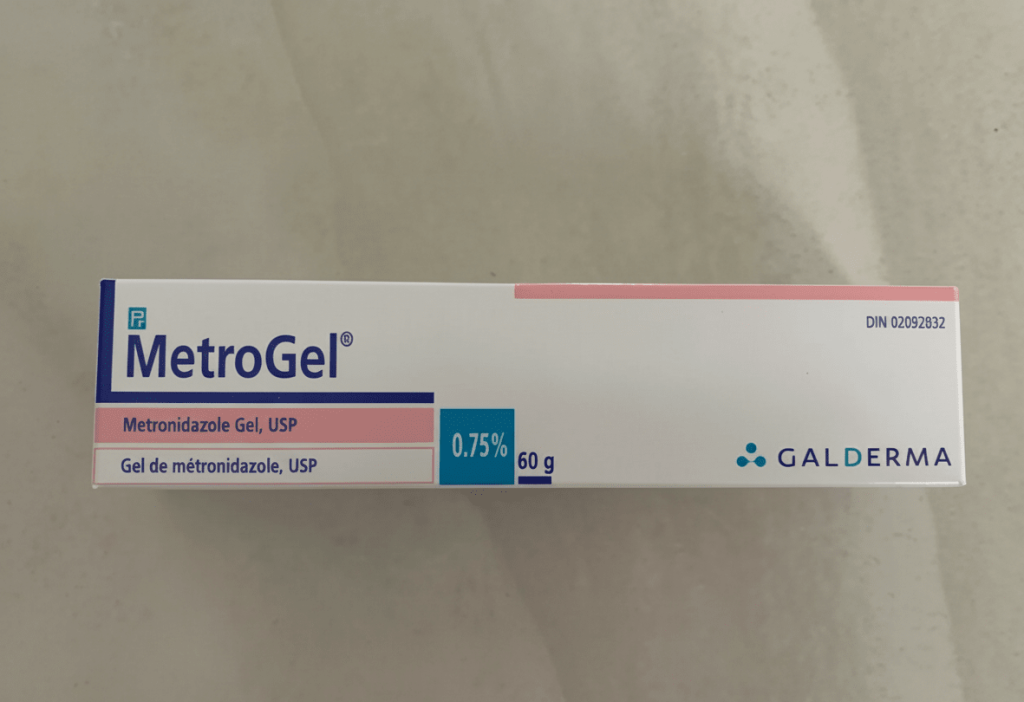
Why Is Metrogel Not Working For My Rosacea
- By Mark
I’ve been there. You apply Metrogel (metronidazole) every day, hoping your rosacea will calm down. Weeks pass, and your skin still looks the same—or maybe worse. If you’re asking, “Why is Metrogel not working for my rosacea?” you’re not alone.
Here’s what I learned through research and experience: there are several reasons Metrogel might not deliver the results you expected. Let’s go step by step.
You Haven’t Used It Long Enough
Metrogel takes time. It’s not a quick fix. Most dermatologists say it needs 3 to 9 weeks of consistent use before you see noticeable improvements.
It works by reducing inflammation, not killing bacteria. That means the process is gradual. If you stop after two weeks because nothing changed, you probably didn’t give it enough time.
Your Skin Is in an Initial Adjustment Period
When I first used Metrogel, my skin felt dry and even a bit more irritated. This is common.
Some people experience redness, dryness, or a minor flare-up in the first 2–4 weeks. Usually, this is just your skin adjusting.
But there’s a difference between mild irritation and a true bad reaction. If the irritation gets worse or doesn’t improve after a month, it’s time to check with your dermatologist.
Your Rosacea Subtype Requires a Different Treatment
This was a big one for me. Metrogel is mainly for papulopustular rosacea—the type with bumps and pimples.
If your main problem is persistent redness or visible blood vessels (erythematotelangiectatic rosacea), Metrogel won’t do much.
👉 For more details, see understanding your rosacea subtype.
An Incorrect Application or Skincare Routine Interferes with Results
Application matters. To use Metrogel correctly:
- Cleanse gently.
- Pat skin completely dry.
- Apply a thin, even layer once or twice daily, as prescribed.
I learned the hard way that certain products can cancel out Metrogel’s benefits. Avoid:
- Alcohol-based toners.
- Harsh scrubs.
- Strong chemical exfoliants.
A simple, gentle routine works best.
You Have Developed a Tolerance Over Time
Some people find that Metrogel works at first, but then loses power after months or years. This is called treatment tolerance.
If your skin stops responding, your dermatologist may suggest switching to something else.
What Should I Expect When Starting Metrogel Treatment?
How long does it take for Metrogel to work?
You may see small changes in 3 weeks, but full results often take 9 weeks or more.
How do I know if Metrogel is working?
You’ll notice fewer bumps and pimples first. Then, the redness around those spots should also fade.
Can Metrogel make rosacea worse before it gets better?
Yes, a few people report extra irritation or breakouts at the start. For most, this passes after a few weeks. Stick with it for at least a month—unless the reaction is severe.
What Are My Options if Metrogel Fails?
Explore Alternative Topical Prescriptions
If Metrogel doesn’t work, other topicals may help:
- Azelaic acid (helps redness and bumps).
- Ivermectin (Soolantra) – a powerful rosacea treatment.
- Sodium sulfacetamide + sulfur lotion.
Consider Oral Medications for Rosacea
Dermatologists often prescribe:
- Low-dose doxycycline or minocycline to fight inflammation.
- Oral isotretinoin for severe, stubborn rosacea.
Implement Trigger Management and Lifestyle Changes
Medication alone won’t control rosacea. I had to change my habits, too. Common triggers include:
- Sun exposure.
- Extreme heat or cold.
- Spicy foods.
- Alcohol.
- Stress.
Discuss Laser and Light Therapies with Your Dermatologist
If redness and visible vessels bother you, treatments like IPL (Intense Pulsed Light) or PDL (Pulsed Dye Laser) can make a big difference.
What Else Should I Know About Metrogel?
What is Metrogel and how does it treat rosacea?
Metrogel is metronidazole, a topical antibiotic with strong anti-inflammatory effects. It reduces papules and pustules in rosacea.
👉 Make sure to confirm you are treating rosacea and not acne.
Does Metrogel work for everyone?
No. Metrogel works best for inflammatory rosacea. It does little for redness-only rosacea.
Can Metrogel stop working over time?
Yes. Some patients notice reduced effectiveness after long-term use.
What are the common side effects of Metrogel?
Most are mild:
- Skin stinging.
- Irritation.
- Dryness.
- Temporary redness.
Key Takeaways
- Metrogel isn’t instant. Results may take 9 weeks or more.
- It works best on bumps and pimples, not redness or veins.
- Proper use and lifestyle changes matter.
- If it fails, alternatives like ivermectin (Soolantra) may be more effective.
If Metrogel isn’t working for you, don’t give up. Work with your dermatologist to find a plan that fits your rosacea type and lifestyle.
Related Products
-
soolantra cream
Soolantra (Ivermectin) 1% Cream
$239.00Original price was: $239.00.$119.00Current price is: $119.00. Add to cart -
soolantra cream
Soolantra Cream Russian
$198.00Original price was: $198.00.$99.00Current price is: $99.00. Add to cart -
soolantra cream
Soolantra Cream Germany
$269.00Original price was: $269.00.$139.00Current price is: $139.00. Read more


