
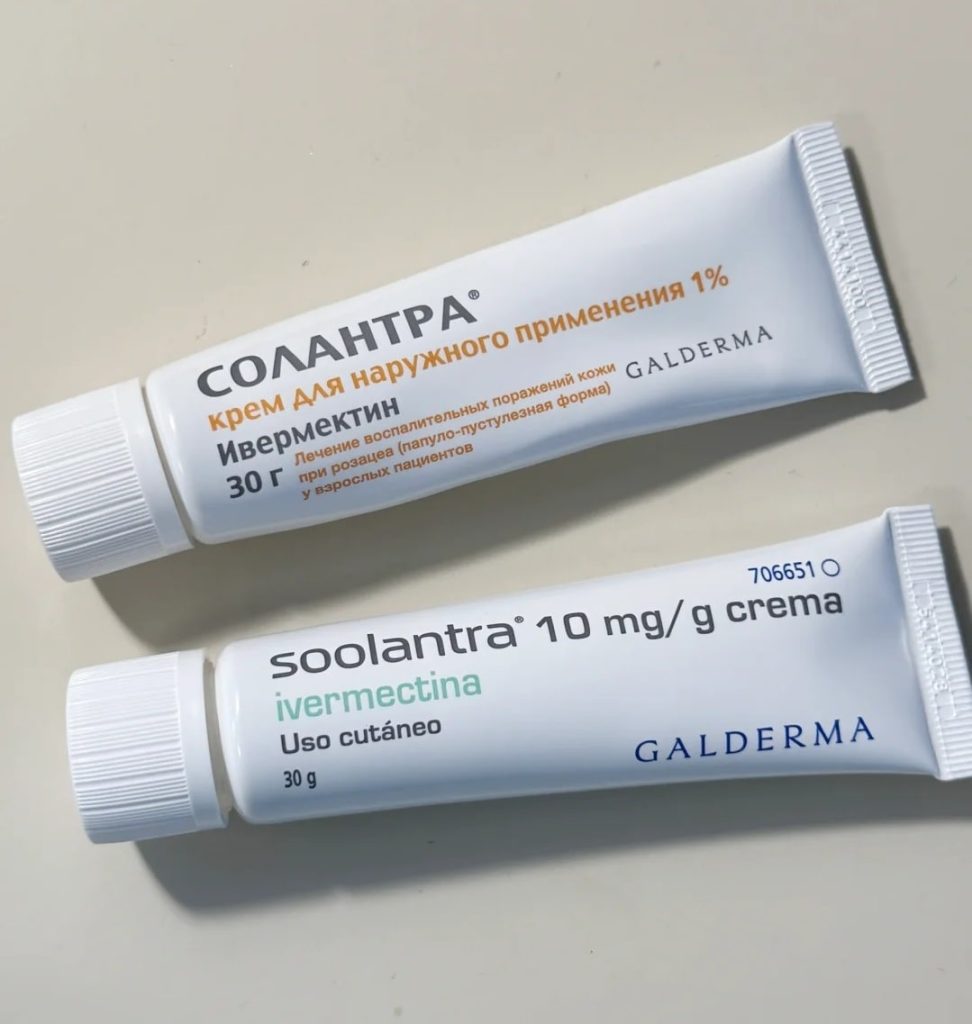
- soolantra
Soolantra (Ivermectin) 1% Cream: The Last Rosacea Treatment You Might Ever Need
- By Mark
For those navigating the challenging landscape of rosacea, the journey often involves a frustrating cycle of treatments that offer little relief. You might try classic prescriptions only to find the progress painstakingly slow, leaving you discouraged. But what if there was a treatment that could represent the end of that search? For many, Ivermectin cream has become that solution—a powerful, evidence-based medication that successfully treats the inflammatory bumps and pimples of rosacea where others have failed.
This guide explores why Ivermectin cream for rosacea stands out, drawing on clinical evidence and a detailed, real-world account of a patient who found lasting relief after a long and difficult struggle.
When Standard Rosacea Treatments Aren’t Enough
The path to a correct rosacea diagnosis and effective treatment is often challenging. Many patients start with a misdiagnosis of “dermatitis” or “sensitive skin” and are given treatments that don’t address the underlying issue.
Even with a proper diagnosis, first-line treatments like metronidazole gel can sometimes yield very slow results, leading to a “resistant mindset” where you begin to doubt the entire process. One patient experienced this firsthand, trying multiple guideline-approved therapies with little success:
- Initial Misdiagnosis: Early on, the patient was treated for “sensitive skin” with procedures that only worsened the rosacea.
- Slow Progress with Metronidazole: After an official rosacea diagnosis, a treatment plan including metronidazole gel was prescribed, but the patient felt the progress was incredibly slow.
- Intolerance to Other Options: An attempt to use a 10% azelaic acid cream resulted in intolerance on the cheeks, further narrowing the options.
It was this series of frustrating experiences that led to a deeper look into a different, high-certainty treatment: Ivermectin.
What is Ivermectin Cream and Why Does It Work?
Ivermectin cream is a topical prescription medication approved by authorities like the U.S. FDA for treating the inflammatory papules and pustules of rosacea. It works through a powerful dual-action mechanism, addressing both the inflammation you see and the microscopic mites believed to be a contributing factor.
Beyond “Killing Mites”: The Anti-Inflammatory Pathway
A common but incomplete understanding of Ivermectin is that it simply “kills mites”. While it does reduce the density of Demodex mites on the skin, its potent anti-inflammatory properties are a crucial part of why it’s so effective. This mechanism calms the underlying inflammation, leading to a visible reduction in redness and bumps. The patient in this case noted that not fully understanding this anti-inflammatory pathway was the reason they hadn’t tried it seven years prior.
A First-Line, High-Certainty Option
According to international treatment guidelines, Ivermectin is not just another option; it is a first-line therapy with high-certainty evidence supporting its use. It was approved by the FDA in 2014 and added to China’s official treatment guidelines in 2021 as a primary medication for papulopustular rosacea. This status is reserved for treatments with strong, consistent data backing their safety and effectiveness.
A Real-World Case: Making the Switch to Ivermectin
After feeling stuck, the patient decided to abandon the slow-moving metronidazole treatment and focus on Ivermectin.
The Decision to Change Course
This wasn’t a blind leap. The decision was driven by extensive personal research into international guidelines, clinical data from pharmaceutical company Galderma, and educational content from knowledgeable dermatologists. This proactive approach highlights the importance of being an informed and empowered patient. It was the culmination of this research that provided the confidence to finally try Ivermectin.
Overcoming the Fear: Understanding the “Purge Period”
One of the biggest hurdles for new users is the fear of the “purge period”—an initial breakout that can occur as the medication starts to work. Many people are hesitant to start because of this possibility. However, the patient’s experience shows that understanding the “why” behind the purge removes the fear. This initial flare-up is often a sign the medication is effectively targeting the Demodex mites. By preparing for this phase and managing it properly, patients can get through it comfortably on their way to being cured.
Your Roadmap to Success with Rosacea Treatment
This journey provides clear, actionable principles for anyone managing rosacea:
- Trust in Evidence-Based Medicine. The core of this success story was a commitment to evidence. Only trust high-certainty treatment plans recommended in established medical guidelines.
- Become an Empowered Patient. The turning point came from self-education. Researching your condition, understanding the data behind different medications, and learning from expert sources allows you to have more effective conversations with your doctor.
- Be Patient and Have the Right Expectations. Not every medication will work for you, as seen with the patient’s intolerance to azelaic acid. Healing takes time, and finding the right treatment may require patience and a willingness to adjust the plan.
Your Final Stop for Rosacea Treatment?
For those who feel they have exhausted their options, Ivermectin cream offers powerful, evidence-based hope. Its dual-action mechanism targets rosacea in a way that other classic treatments may not, and its status as a first-line therapy is backed by years of clinical success. If you are tired of the cycle of ineffective treatments, it is time to have a conversation with your dermatologist about Ivermectin. It could very well be the last rosacea treatment you’ll ever need.
Related Products
-
soolantra cream
Soolantra (Ivermectin) 1% Cream
$239.00Original price was: $239.00.$119.00Current price is: $119.00. Add to cart -
soolantra cream
Soolantra Cream Russian
$198.00Original price was: $198.00.$99.00Current price is: $99.00. Add to cart -
soolantra cream
Soolantra Cream Germany
$269.00Original price was: $269.00.$139.00Current price is: $139.00. Read more


